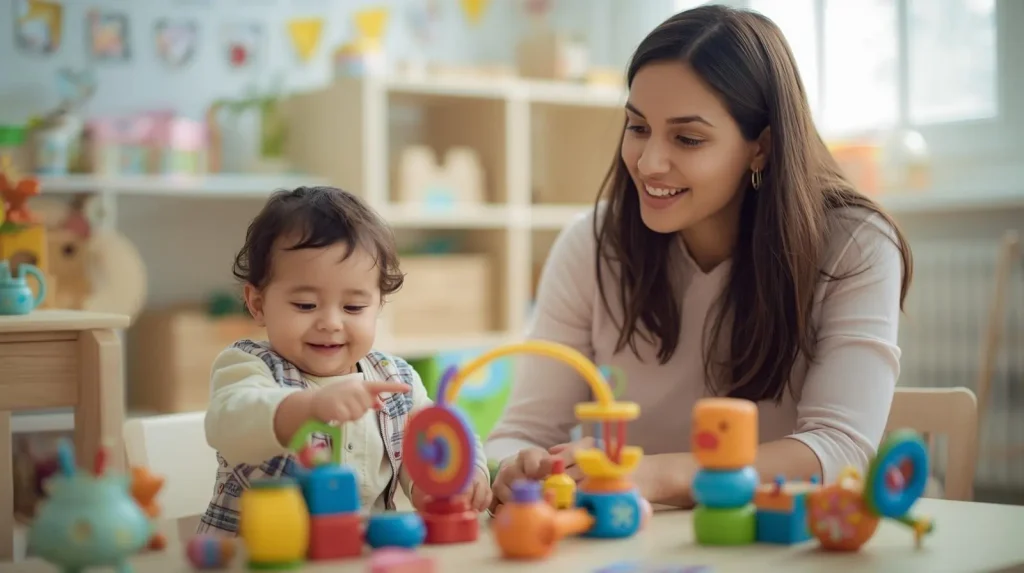
Table of Contents
Introduction: How Do You Really Know If Your Baby Is Ready for Nursery?
Every parent reaches that moment — the moment you look at your little one and wonder: If my baby ready for nursery… or should I wait a little longer?
It’s a big emotional step for both babies and parents. And while age is one factor, readiness is much more about development, temperament, confidence, and routine.
The truth is:
👉 Some babies are ready for nursery at 6–9 months.
👉 Others feel more prepared closer to 1 year or beyond.
What matters most is recognising the subtle signs (many parents overlook!) that show your baby is ready to explore, socialise, and thrive in a nursery environment.
Below, we break down the 15 signs your baby may be ready for nursery, plus what to do if they’re not quite there yet.
15 Signs Your Baby Ready for Nursery (Parents Often Miss These!)
1. Your Baby Shows Curiosity About New Faces
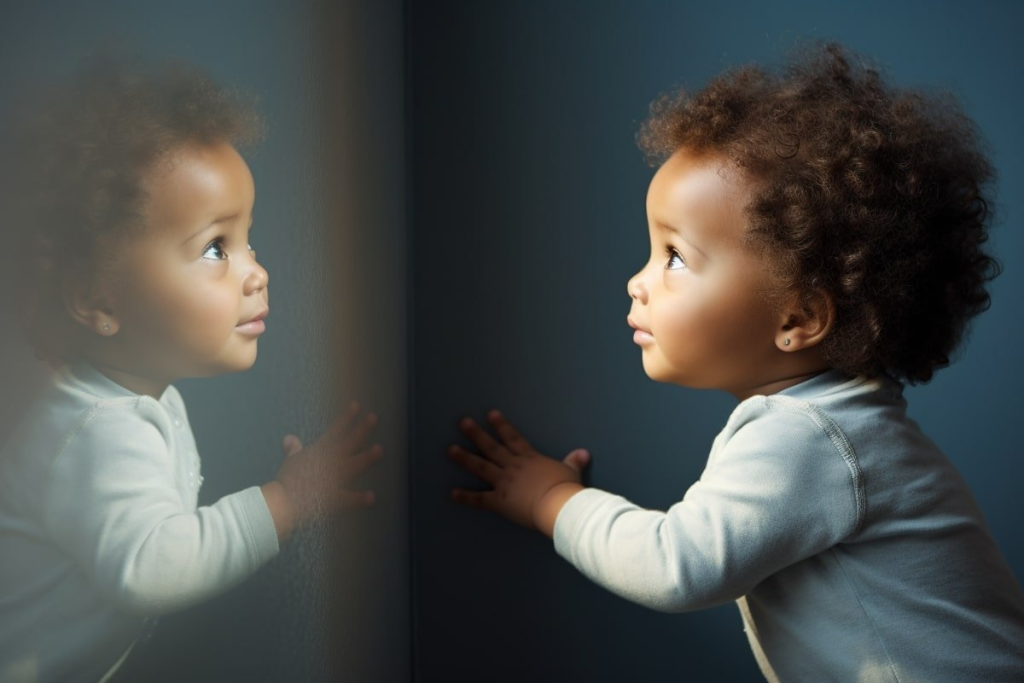
If your baby looks around with interest, smiles at strangers in shops, or observes new environments calmly, this is a strong early indicator.
2. Short Separation Calmness: How to Tell If Your Baby Is Ready for Nursery
You don’t need full independence — just the ability to stay content with:
- a grandparent
- another familiar adult
- or even alone briefly during play
This shows emotional readiness.
3. They Notice and Respond to Other Children
Babies who watch others, smile at toddlers, or try to copy their movements are often ready for group settings.
4. Routines: Daily Structure Helps Your Baby Be Ready for Nursery
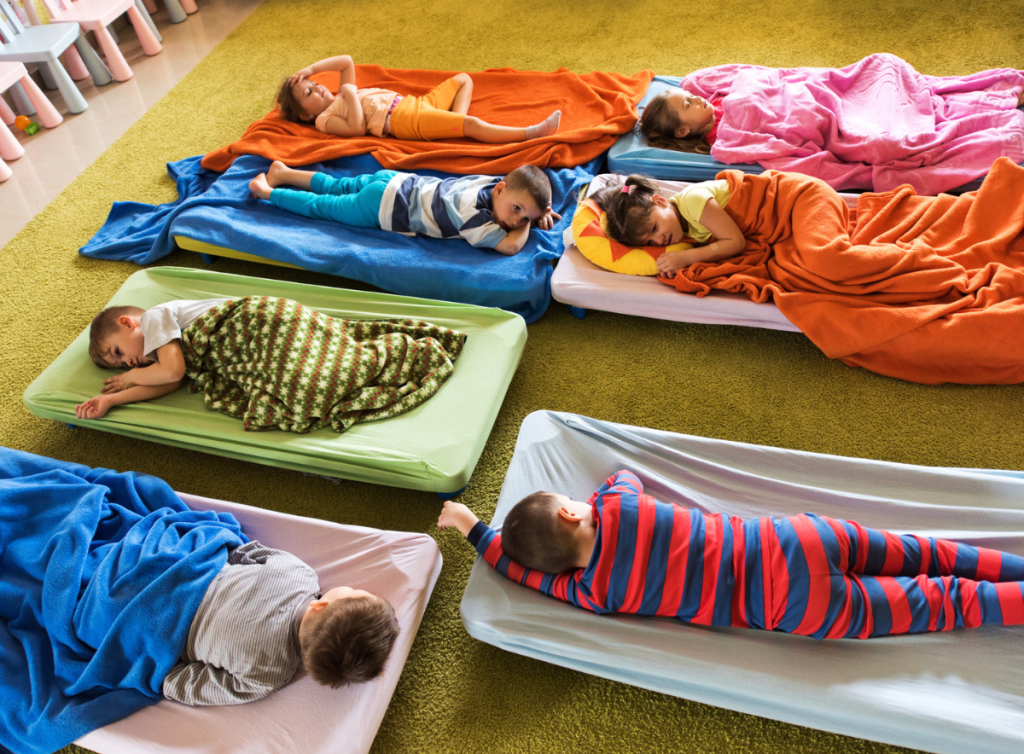
Nurseries follow structure because it helps babies feel safe. Signs include:
- predictable nap times
- stable feeding times
- evening wind-down routine
If your baby manages transitions well, they’re ready for nursery rhythms.
5. They Enjoy Sensory Play and New Activities
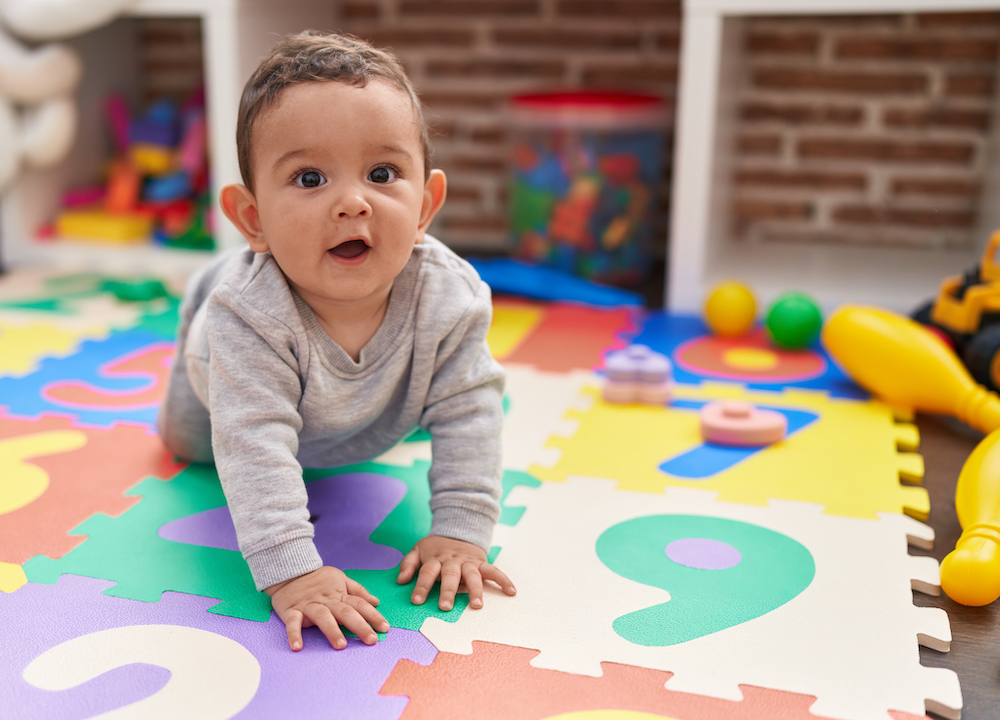
If your little one loves:
🧩 textured toys
🖐️ messy play
🎶 music
📚 picture books
…they’re ready for nursery-style learning.
You can explore sensory-rich books right here in our internal article:
👉 Our Top 5 Favourite Children’s Books
6. Your Baby Shows Early Independence
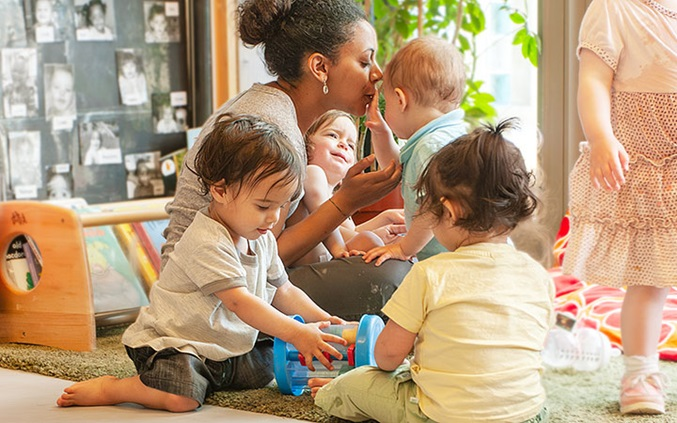
This could look like:
- reaching for a toy
- self-feeding
- crawling or exploring the room
- pushing your hand away playfully (“I can do it!”)
Small steps = big readiness.
7. They Cope Well with Short Transitions
Does your baby stay calm when moving from:
- play → nappy change
- milk → nap
- home → pram
If yes, nursery transitions will feel more natural for them.
8. Your Baby Is Comfortable Around Noise and Stimulation
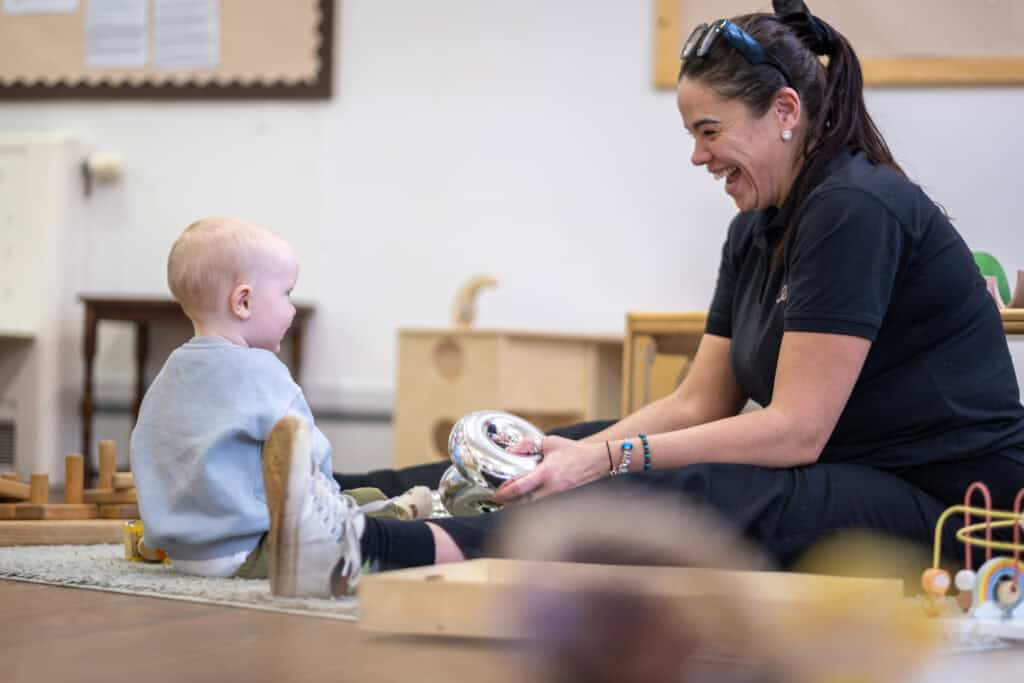
Nurseries aren’t loud, but they are busy.
If your baby doesn’t get overwhelmed easily in cafés, parks, or soft play, it’s a green flag.
9. They Can Express Basic Needs
Babies don’t need words — eye contact, pointing, gestures, and babbling are enough to communicate needs to educators.
Nursery teachers are trained to read early cues.
You can see how our team supports communication here:
👉 How Our Teachers Respond to “Why?” Questions
10. Your Baby Can Engage in Short Independent Play
Even 3–5 minutes counts!
This shows they can self-soothe and explore — essential for nursery confidence.
11. Your Baby Shows Interest in Exploring New Places
If your baby looks around during walks, enjoys pram outings, or lights up in new rooms, this curiosity signals readiness for new experiences.
12. They Handle Mild Frustration Better Than Before
No baby is frustration-free — but if they recover quickly from small challenges (a dropped toy, rolling over, interrupted play), they’ll manage well during group activities.
13. They Sleep Reasonably Well (Not Perfectly)
Babies don’t need perfect sleep patterns, but a predictable nap rhythm helps nursery educators support their rest.
14. They’ve Already Started Social Skills Without You Teaching
This includes:
- smiling
- babbling
- mimicking expressions
- making eye contact
These natural behaviours help your baby bond with caregivers.
15. YOU Feel Ready Too — The Most Overlooked Sign
Parental readiness matters just as much.
If you’re:
✔ feeling confident
✔ prepared for the transition
✔ trusting your chosen nursery
…then your baby will sense this and settle much faster.
And if you’re still exploring nurseries, celebrate our recent achievement:
👉 Purple Bees Nursery Wins the Nursery Compare Awards Two Years in a Row
This recognition reflects the quality of care and learning your child will experience.
When Your Baby Is Not Ready for Nursery Yet (Important Signs to Notice)
Your baby may need a little more time if they:
❌ cry excessively with unfamiliar adults
❌ struggle with any separation
❌ show high sensitivity to noise
❌ have no predictable routine
❌ become distressed in new places
This doesn’t mean they won’t be ready — just that they might benefit from a slower transition.
How to Help Your Baby Be Ready for Nursery (Transition Tips)
Here are gentle ways to build confidence:
✔ Introduce short separations at home
Leave the room for a few seconds at a time.
✔ Attend baby groups or stay-and-play sessions
This builds social comfort.
✔ Read books about nursery and emotions
Visuals help babies feel safe.
(Use our children’s books recommendation link!)
✔ Establish predictable micro-routines
Even simple routines help babies feel secure.
✔ Visit the nursery together before the start date
Let them explore with you first.
✔ Meet their future key person
Babies settle faster when they recognise a familiar face.
What Happens During the First Weeks of Nursery?
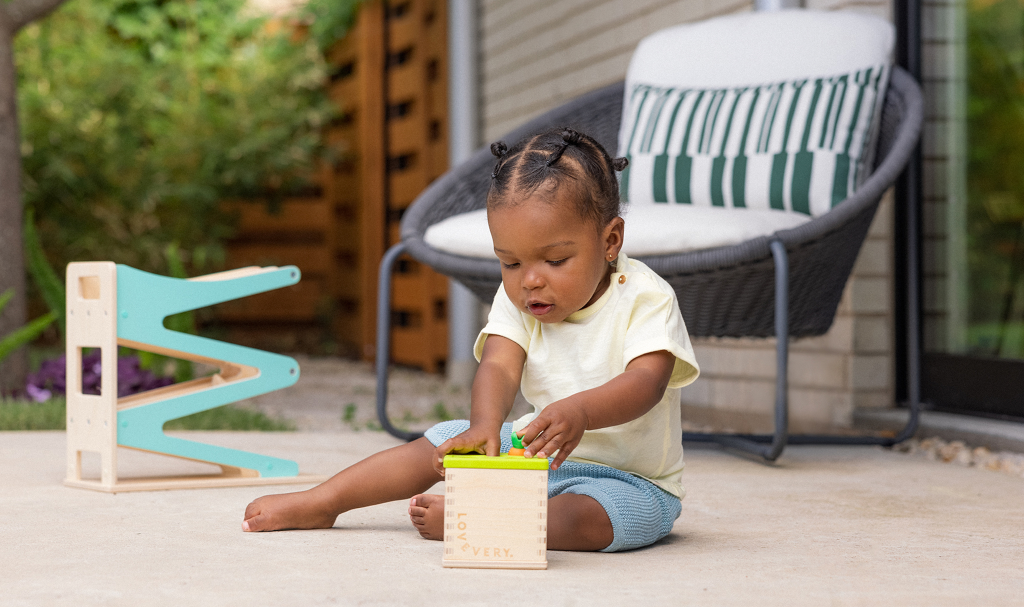
Most nurseries follow a soft-start approach, which includes:
- short settling-in sessions
- gentle separations
- building a bond with a key educator
- observing sleep/feeding patterns
- adapting routines at your baby’s pace
No baby adjusts on the same timeline — and that’s okay.
What matters is a nursery that prioritises emotional confidence, not speed.
If you’re considering nursery for your little one, Purple Bees offers:
💛 caring educators
💛 enriching sensory learning
💛 award-winning early years provision
💛 strong parent–teacher communication
Book a visit today and discover why families trust Purple Bees Childcare.